
Choosing Water Resistant Flooring for Homes

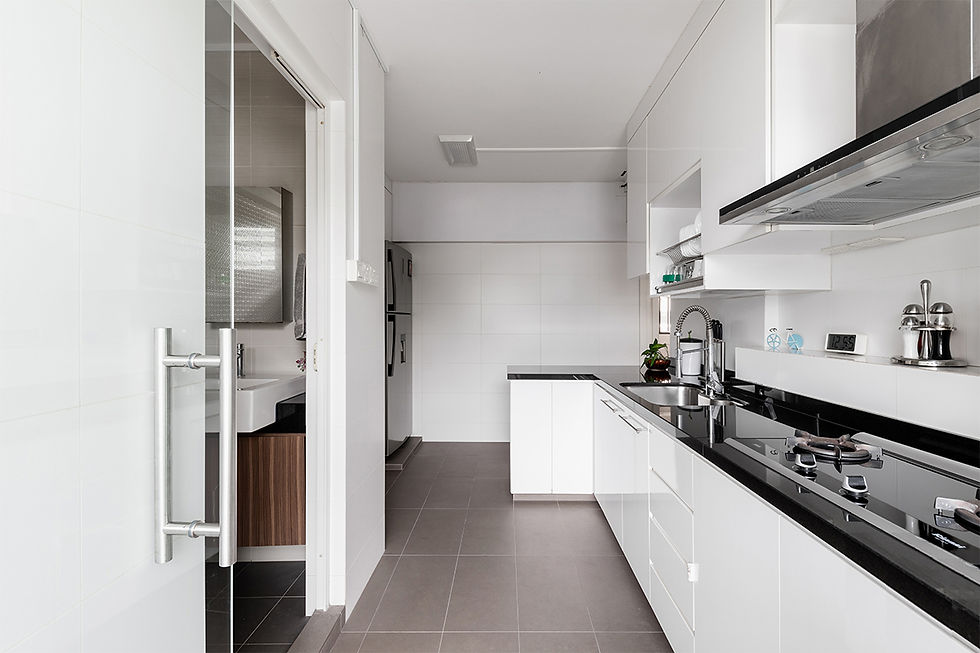
Spilled Milo in the kitchen, wet footprints from the bathroom, a pet bowl knocked over in the living room - daily life tests your flooring more than most homeowners expect. That is why water resistant flooring for homes has become such a practical priority, especially when you want finishes that look refined without creating long-term maintenance headaches.
The right floor does more than survive the occasional splash. It needs to suit the way your household lives, support the overall design direction, and hold up well in spaces that see constant use. For homeowners planning a renovation, the smartest choice is rarely about picking the most fashionable surface. It is about matching material performance to the room, the household routine and the level of care you are realistically willing to give it.
Why water resistance matters more than many homeowners realise
Moisture damage is not always dramatic. More often, it builds quietly. A little seepage around the sink area, repeated mopping with too much water, damp shoes left near the entrance, or condensation in enclosed rooms can gradually affect flooring performance. Boards may swell, edges may lift, and surface finishes may start to lose their consistency.
In family homes, this matters because flooring is one of the largest visible surfaces in the entire interior. Once it starts to fail, the room looks tired very quickly. Replacing floors is also disruptive and expensive, particularly when built-in carpentry and furniture placement have already been planned around them.
For that reason, water resistance should be considered early, not treated as an afterthought after the colour palette has been decided.
Water resistant flooring for homes: what the term really means
Homeowners often assume water resistant and waterproof mean the same thing. They do not. Water resistant flooring can handle everyday spills and surface moisture for a period of time, but it is not designed to sit in standing water indefinitely. Waterproof flooring offers stronger protection against moisture penetration, although even then, installation quality and subfloor conditions still matter.
This distinction is important when selecting materials for different rooms. A dining area next to the kitchen may only need a strong water resistant surface. A bathroom, service yard or other high-moisture zone may require something more robust, depending on usage and detailing.
In renovation planning, performance claims should always be weighed alongside practical questions such as where the flooring will be installed, whether there are children or pets in the home, and how much direct water exposure the surface will face.
The main flooring options worth considering
Vinyl flooring
Vinyl is one of the most common choices for homeowners who want a balance of comfort, visual warmth and water resistance. It is available in a wide range of wood-look and stone-look finishes, which makes it easy to coordinate with contemporary, minimalist or cosy interior styles.
It also feels softer underfoot than tile, which many families appreciate in bedrooms and living areas. For homes with children or older family members, that slight softness can make the space feel more forgiving for daily movement.
That said, vinyl is not a one-size-fits-all answer. Product quality varies significantly. Lower-grade options may scratch more easily, show indentation from heavy furniture, or age less gracefully in high-traffic areas. The installation method also matters. Poorly prepared subfloors can affect how the finished surface looks and performs over time.
Porcelain and ceramic tiles
Tiles remain one of the most dependable solutions for wet areas. They are highly resistant to water, easy to clean and well suited to kitchens, bathrooms and service yards. In Singapore homes, they are also valued for their cooling effect, particularly in warmer months.
From a design perspective, tiles now come in a much broader range of styles than many people expect. You can achieve concrete looks, natural stone effects and even wood-inspired finishes while retaining the practicality of a tile surface.
The trade-off is comfort. Tiles are harder underfoot and can feel less warm or inviting in bedrooms and lounge spaces. Grout lines also require proper maintenance. If neglected, they can discolour and make a clean floor look older than it is.
Laminate with water-resistant technology
Laminate has improved over the years, and some newer products are marketed as water resistant. For homeowners drawn to the appearance of timber at a lower cost, it can be an appealing option.
Still, this is where careful selection matters. Traditional laminate is more vulnerable to moisture damage than vinyl or tile, especially at the joints. Even improved versions typically perform best in dry or moderately exposed areas rather than spaces with regular wet use.
If you are considering laminate, it should be because its appearance and cost profile fit your priorities, not because you expect it to behave like a fully moisture-proof material.
Engineered wood
For homeowners who want the natural character of real wood, engineered wood offers greater stability than solid timber. It can work beautifully in living rooms and bedrooms where you want warmth, texture and a more premium finish.
However, engineered wood is still wood. It is more tolerant than solid planks, but it is not the most forgiving option for wet zones or households where spills are frequent and left unattended. It also tends to require more disciplined care.
When used well, it creates a sophisticated result. When used in the wrong setting, it can become a maintenance concern rather than a design upgrade.
How to choose the right flooring by room
The best approach is usually not to force one material across the entire home without considering how each area is used.
For kitchens, water resistance and stain resistance should take priority. This is a work zone, not just a visual feature. Vinyl and tiles are often strong choices here because they can cope with spills, cleaning and regular foot traffic.
For bathrooms, a highly moisture-tolerant surface is the safer route. Tiles remain the standard for good reason. They offer reliable performance in areas where water exposure is constant.
For living rooms, it depends on your lifestyle. If you prefer a warmer, quieter finish, vinyl often works well. If you want a cool, sleek look with high durability, large-format tiles can be very effective.
For bedrooms, comfort usually matters more than maximum water protection. Even so, choosing a surface with some water resistance gives you more flexibility over time, especially in family homes.
Design should support practicality, not compete with it
A floor can look beautiful in a showroom and still be wrong for your home. This is where professional planning adds value. The flooring tone affects how spacious a room feels, how easy it is to maintain visually, and how well it works with cabinetry, wall finishes and lighting.
For example, very dark flooring can look elegant but may show dust more readily. Very light flooring can brighten a compact flat but may need the right undertones to avoid looking sterile. Heavily textured surfaces can hide wear better, but they may not suit every interior concept.
Good flooring choices are usually quiet achievers. They support the design, improve liveability and continue to look right even after the novelty of renovation has passed.
Installation quality is just as important as the material
Even excellent materials can disappoint if installed poorly. Uneven subfloors, careless joint treatment, weak transitions between rooms and rushed finishing work can all affect durability. Water resistance is not only about the product itself. It is also about how well the floor has been detailed at edges, thresholds and vulnerable points.
This is especially important when a renovation involves multiple trades, built-ins and tight timelines. Flooring needs to be planned as part of the overall project sequence, not fitted in as a last-minute decision.
That is one reason many homeowners prefer working with a design-and-build team that can coordinate materials, layout planning and site execution together. It reduces costly mismatches between design intent and real-world performance.
A smarter long-term view of value
The cheapest flooring option is not always the most economical. If it scratches easily, struggles with moisture or needs replacement far sooner than expected, the short-term saving disappears quickly.
A better question is this: what will still look good and function well after years of daily use? In many cases, choosing a slightly better material - and ensuring it is properly installed - creates better long-term value than chasing the lowest upfront price.
For homeowners renovating with both style and practicality in mind, water resistant flooring should not feel like a compromise. Today’s options are far more design-led than they used to be, which means you can achieve a polished interior without sacrificing durability.
The best floor is the one that fits your home as it is actually lived in - busy mornings, family meals, cleaning routines, surprise spills and all. Choose with that reality in mind, and your flooring will support the way you live long after the renovation is complete. For HDB homeowners, it's always a good idea to refer to the official HDB renovation guidelines before carrying out any flooring works to ensure your renovation complies with the relevant requirements.


Comments